The Best Way to eSign Documents Online Securely: A Guide to Legal Validity and Technical Trust
When you are asked to “just e-sign this,” the immediate reaction for most professionals isn’t convenience—it’s a flicker of hesitation. Is this actually legal? Can this be forged? If this goes to court in three years, will this digital scribble hold up, or is it just a picture of a signature pasted onto a PDF?
The truth is that “e-signing” is a broad term that covers everything from a typed name in an email to complex, encrypted cryptographic certificates. Not all of them are created equal, and not all of them are secure.
If you are looking for the best way to eSign documents online securely, you shouldn’t be looking for a specific brand name first. You should be looking for a specific set of security standards. Whether you are a freelance consultant, a real estate agent, or a small business owner, your signature is your legal bond. Protecting it requires more than a “user-friendly interface”—it requires a rigorous technical framework.
The Foundation: What Actually Makes an e-Signature Legally Binding?
Before discussing encryption or software, we have to address the legal bedrock. In the United States, the security of an e-signature is irrelevant if it isn’t legally enforceable. The “best” way to sign is one that adheres to the two primary pieces of legislation governing digital consent: the ESIGN Act (Electronic Signatures in Global and National Commerce Act) and UETA (Uniform Electronic Transactions Act).
To be legally binding, a secure e-signature process must prove four things:
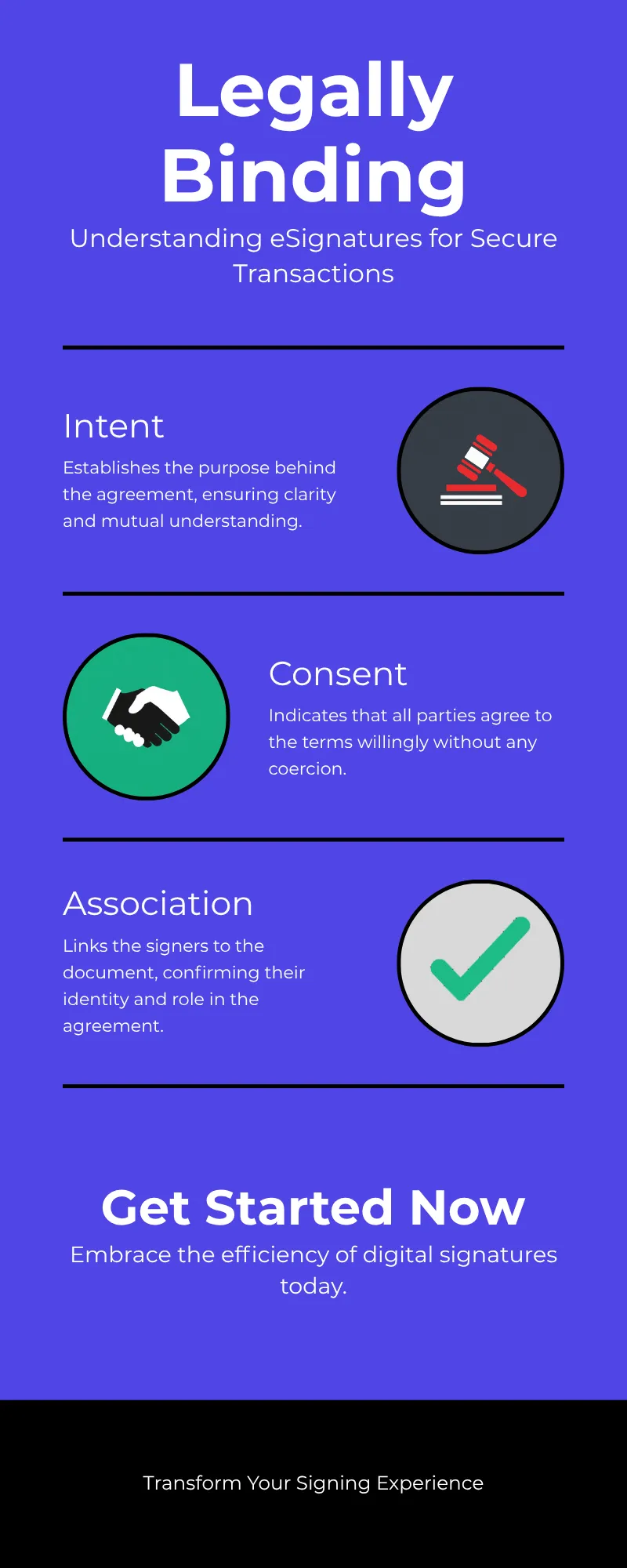
1. Intent to Sign
The system must demonstrate that the signer intended to sign the document. This is usually achieved through a clear “Sign Here” action, a checkbox confirming agreement to do business electronically, and a record of the user interacting with the specific signature field.
2. Consent to Do Business Electronically
A secure process doesn’t just force a digital signature on a user; it captures their consent to use an electronic medium. This is a critical legal safeguard that prevents a signer from later claiming they were forced into a digital format they didn’t understand or agree to.
3. Association of Signature to the Record
The signature cannot be a separate entity from the document. It must be logically and technically linked to the specific version of the contract being signed. If the document is altered after the signature is applied, the security seal must break, rendering the signature invalid.
4. Record Retention
For a signature to be secure over the long term, the system must provide a way to retain the document and its associated metadata in a format that can be reproduced and audited years later.
When evaluating any tool, your first question should be: “Does this tool explicitly comply with ESIGN and UETA standards?” If the answer is vague, the “security” of the tool is irrelevant because the legal validity is compromised.
The Technical Bar: Evaluating Security Criteria
Once legal compliance is established, we move from the courtroom to the server room. “Secure” is a marketing word until it is backed by specific technical protocols. When you are searching for the best way to eSign documents online securely, these are the three non-negotiable technical requirements.
AES-256 Encryption: The Gold Standard
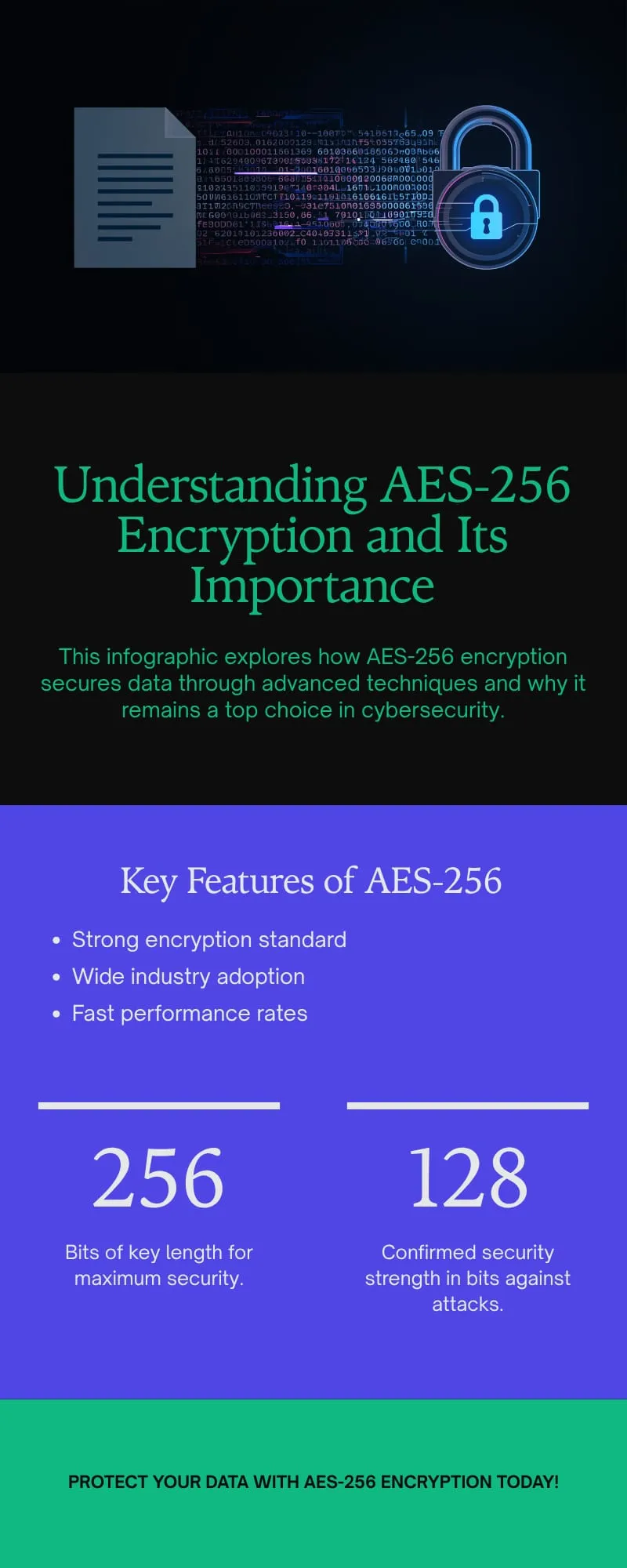
Encryption is the process of encoding information so that only authorized parties can access it. In the world of digital signatures, you should look for AES-256 (Advanced Encryption Standard).
AES-256 is used by the U.S. government to protect Top Secret information. It is a symmetric-key encryption algorithm with a key length of 256 bits. To put that in perspective: there are 2256 possible combinations. Even with the fastest supercomputers currently in existence, it would take billions of years to crack a properly implemented AES-256 encrypted file via brute force.
If a service uses a lower standard or cannot specify their encryption method, your documents are effectively sitting in a locked room with a cardboard door.
The Cryptographic Audit Trail
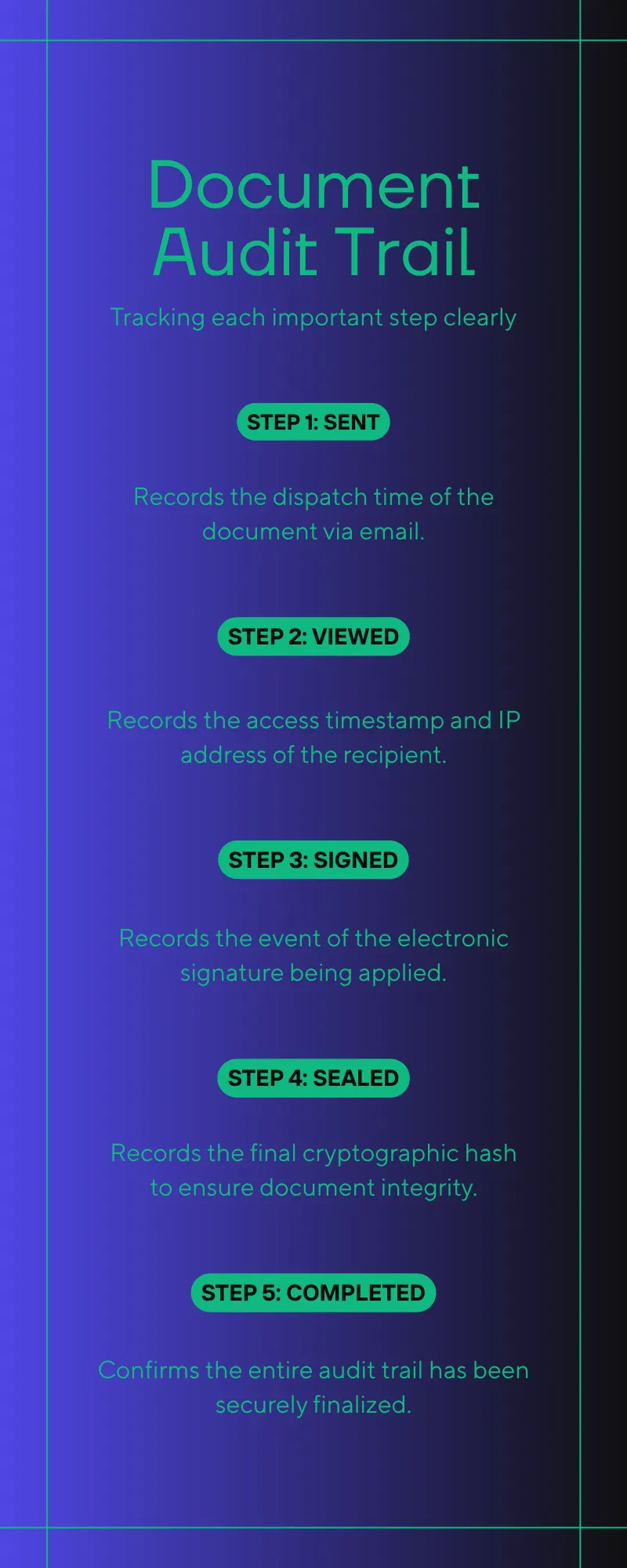
A signature is just a mark; the audit trail is the proof. A truly secure e-signature service doesn’t just save a PDF; it generates a comprehensive, tamper-evident log of the entire transaction.
A professional-grade audit trail must include: Signer IP Addresses:_ Exactly where the request originated. _ Precise Timestamps: When the document was viewed, when the signature was applied, and when the process was completed. Unique Document IDs:_ A cryptographic hash that identifies that specific version of the document. _ Event Logs: A chronological record of every action taken by every party involved.
This audit trail transforms a digital signature from a “picture of a name” into a forensic piece of evidence. If a client later claims, “I never saw that clause,” or “I didn’t sign this on Tuesday,” the audit trail provides the empirical data to refute those claims.
Payment and Data Isolation
Security extends beyond the document itself to the infrastructure supporting the transaction. For those using paid services, the handling of financial data is a primary vulnerability point.
The best way to secure this is through tokenization via a trusted third-party processor. By using a system like Stripe, the service provider never actually “sees” or stores your credit card number on their own servers. Instead, they receive a “token” that represents the payment. This means that even in the unlikely event of a database breach, your financial information is not there to be stolen.
Why the “Enterprise” Approach Often Creates Security Gaps
For years, the industry narrative has been that “more features equals more security.” This has led to the rise of enterprise-grade subscription platforms that bundle e-signatures with complex workflow automation, CRM integrations, and team management dashboards.
However, from a security perspective, complexity is the enemy.
Every single integration, every third-party plugin, and every “convenience feature” added to a platform creates a new potential attack vector. When a platform becomes a “Swiss Army Knife” of business operations, the surface area for potential vulnerabilities increases.
Furthermore, the subscription model creates a different kind of risk: access decay. When a small business or freelancer stops paying a monthly subscription because of budget constraints, their access to their own signed documents often becomes restricted or enters a “read-only” mode. If you cannot easily export your full audit trails and encrypted documents because you are no longer a “Premium Member,” your long-term legal security is compromised.
The most secure approach is a lean, purpose-built system. You don’t need a project management suite to sign a contract; you need a secure vault, a cryptographic seal, and a legal audit trail.
Implementing the Secure Workflow: A Step-by-Step Checklist
To ensure you are using the best way to eSign documents online securely, follow this workflow for every critical contract:
- Verify Compliance: Confirm the tool is ESIGN and UETA compliant.
- Check Encryption: Ensure the service uses AES-256 encryption for data at rest and in transit.
- Review the Audit Trail: Before sending a high-stakes document, check a sample “Certificate of Completion” or audit log. Does it include IP addresses and timestamps?
- Limit Access: Only invite the necessary parties to the document. Avoid sending “open links” for sensitive contracts; use authenticated email invites.
- Archive Externally: Once a document is signed and the audit trail is generated, download the complete package (PDF + Audit Log) and store it in your own secure, encrypted backup. Do not rely on a cloud provider’s subscription to be your only archive.
SealItDone: The Best Way to eSign Documents Online Securely
At SealItDone, we built our platform on the belief that high-level security should not be locked behind a monthly subscription. We believe that a freelancer signing a single high-value contract deserves the same cryptographic protection as a Fortune 500 company.
We have implemented the exact standards discussed in this guide to ensure your documents are bulletproof:
- Full Legal Compliance: Every signature processed through SealItDone is fully compliant with the ESIGN Act and UETA, ensuring your documents are legally binding across the United States.
- AES-256 Encryption: We don’t cut corners. Your documents are protected using AES-256 encryption, the same standard used for government secrets, ensuring that your sensitive data remains private.
- Immutable Audit Trails: Every signed document comes with a comprehensive cryptographic audit trail. We capture signer IPs, precise timestamps, and tamper-evident logs, providing you with an empirical record of consent.
- Stripe-Secured Payments: We never store your financial data. By utilizing Stripe’s secure infrastructure, your payments are processed via tokenization, removing the risk of financial data exposure.
The difference is our philosophy. While other platforms try to trap you in a “subscription ecosystem” with features you’ll never use, SealItDone focuses on the core utility: the secure, legally binding exchange of signatures.
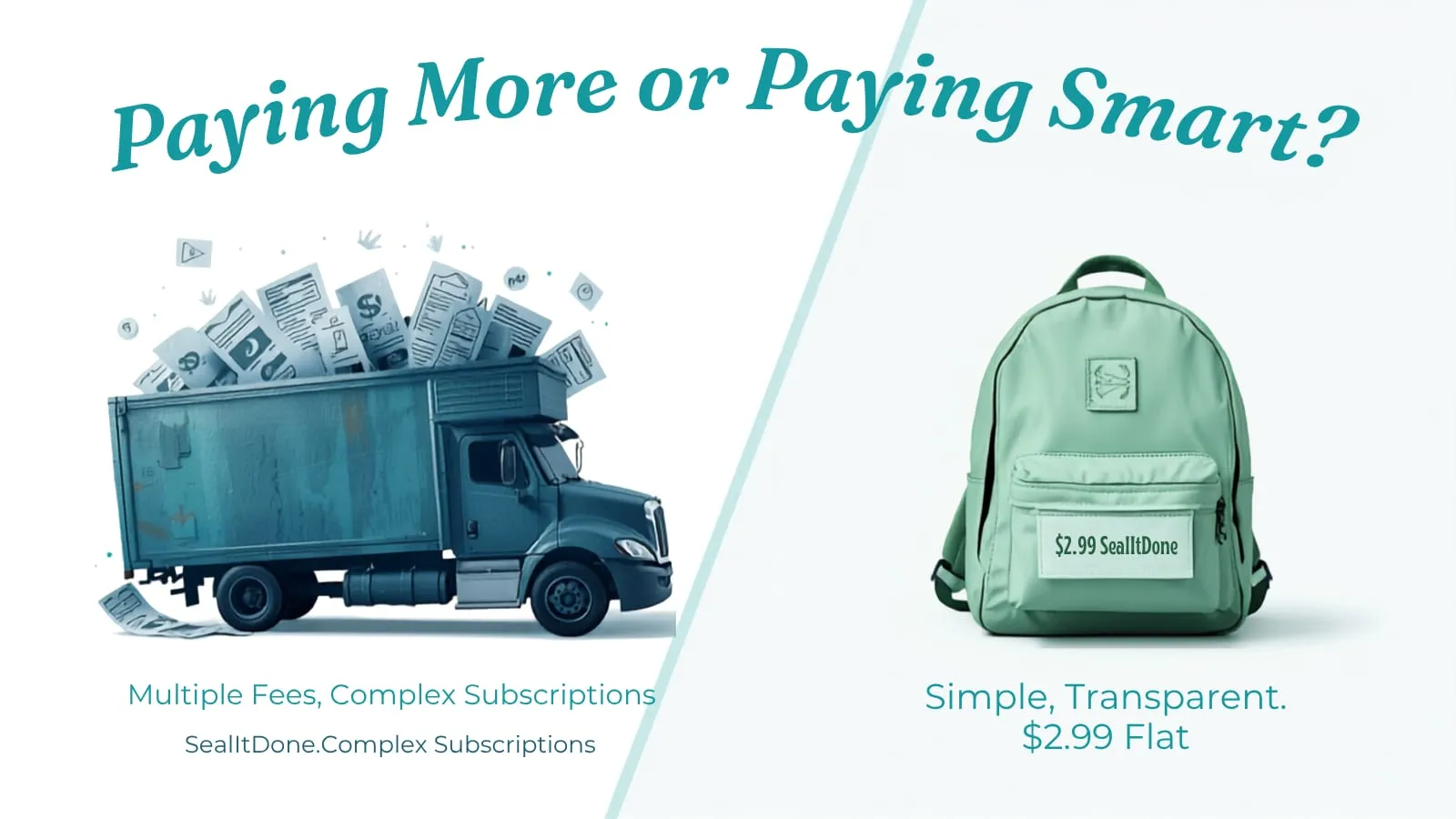
You get the “Enterprise” security stack—the encryption, the compliance, the audit trails—on a pay-per-document basis. No monthly fees, no “ghost charges,” and no compromise on the security of your legal agreements.
Conclusion: Trust is a Technical Specification
In the digital age, trust is not a feeling; it is a technical specification. When you ask for the “best way” to sign a document, you are really asking: “How can I be certain that this agreement is immutable and enforceable?”
The answer lies in the combination of legal compliance (ESIGN/UETA), military-grade encryption (AES-256), and forensic accountability (the audit trail). When these three elements are present, you have a secure system. When they are delivered without the friction of a monthly subscription, you have a professional tool.
Stop paying a “subscription tax” for security that should be standard. Protect your business, your margins, and your legal standing by choosing a tool that prioritizes the integrity of the signature over the complexity of the software.